The people and thinking behind The Divergent Leader

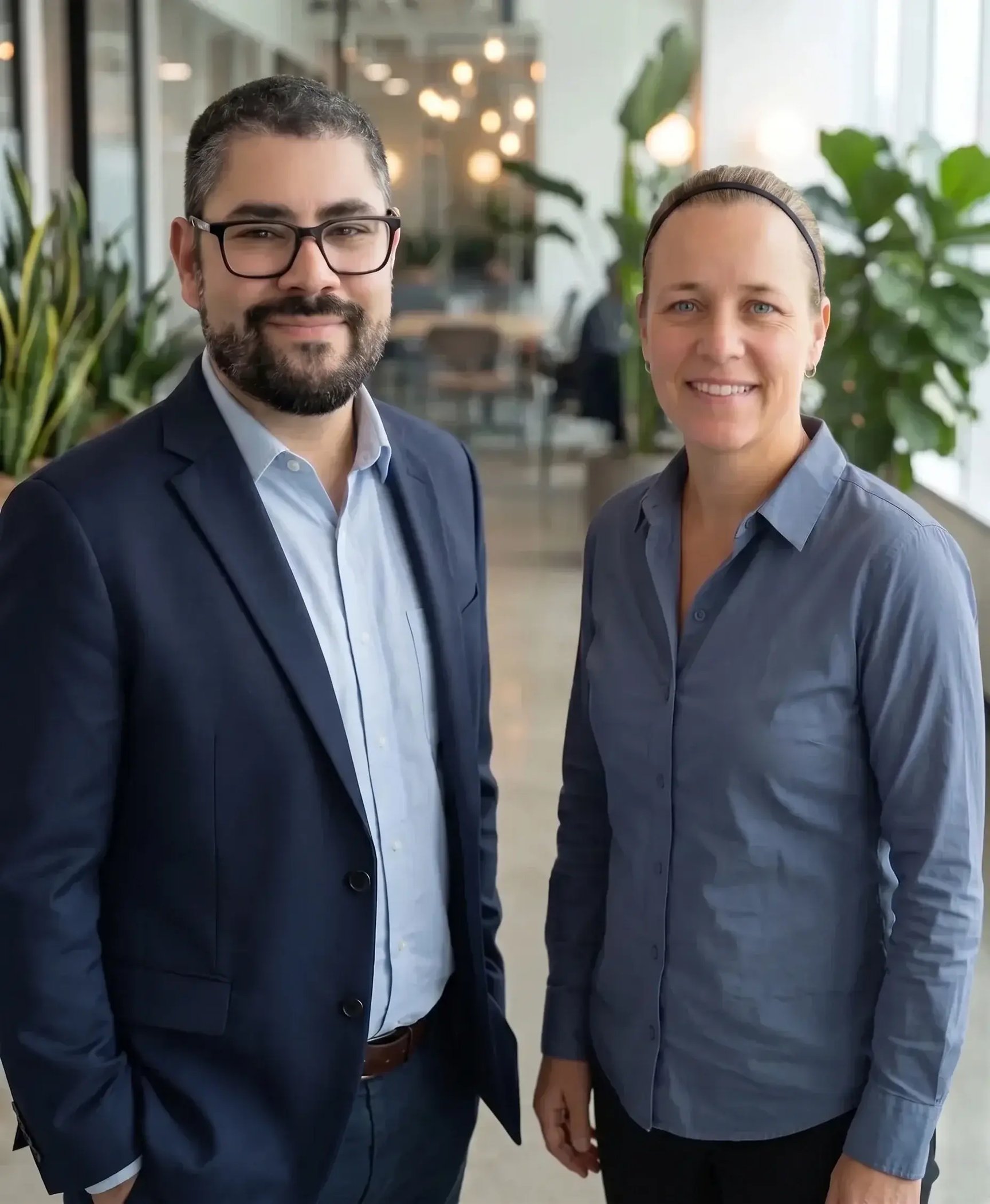
The Divergent Leader is a neuro-inclusive leadership platform founded by Jesse Flores and Wendy Rochon. It brings together a podcast, a practical method, tools, speaking, workshops, and consulting.


Five colleagues planning work together using neutral-coloured sticky notes on an office wall.
Hands updating a weekly planning board with neutral-coloured task cards in an office.
Four colleagues discussing a workflow around a whiteboard in an office meeting room, with notebooks and laptops on the table.

Why The Divergent Leader exists

Capable people are often described as difficult when a meeting or communication norm does not fit how they work. The condition stays untouched, while the person carries the judgment.

The Divergent Leader asks a different question: what changes when we examine the working week?

  • One platform with several practical routes

  • Two tracks that carry equal weight in practice

  • Public thinking you can inspect for yourself

We change the working week, not the person. The work starts with what leaders and organizations can change, not with asking anyone to explain or fix themselves.
Jesse Flores and Wendy Rochon, Co-founders

How we approach the work in practice

We replace broad intentions with observable practice. The work starts with a real situation, identifies what is producing friction, and stays within what a leader or organization can change.

Four colleagues reviewing documents together around a meeting table with notebooks, mugs and a laptop.

Start with the conditions around the work

We look first at meetings, instructions, workload, notice before change, and progression. That keeps the burden on the system, not one employee.

Three colleagues discussing work documents together around an office table with notebooks, mugs and a closed laptop.

Make leadership behavior visible

The method names how leaders decide, communicate, delegate, and handle disagreement. These are practices people can observe and change.

Two colleagues reviewing a workflow document on a clipboard at an office desk with a laptop and notebooks.

Leave people with something usable

A useful conversation should change what happens next. Tools and follow-through help the idea survive beyond the room where it was introduced.

What makes the approach different

Practical change, not awareness alone

Awareness training explains a subject. We start where that explanation often stops: how meetings run, how work is assigned, how feedback lands, and what progression rewards.

Two colleagues reviewing a printed performance report together at an office table with notebooks and a mug.

Working conditions, not personal categories

Personality models and diagnosis-led approaches can place the problem inside a person. We examine the conditions around the work without asking anyone to identify or explain themselves.

Two colleagues reviewing a staff rota together on a wall-mounted schedule board in an operations office.

Specificity, not inflated claims

We do not promise a percentage we cannot evidence. We name the behavior, process, or working condition that changes, so you can judge whether the work is concrete.

Three colleagues reviewing a printed work schedule together around an office table with notebooks, mugs and a laptop.

The people behind the work

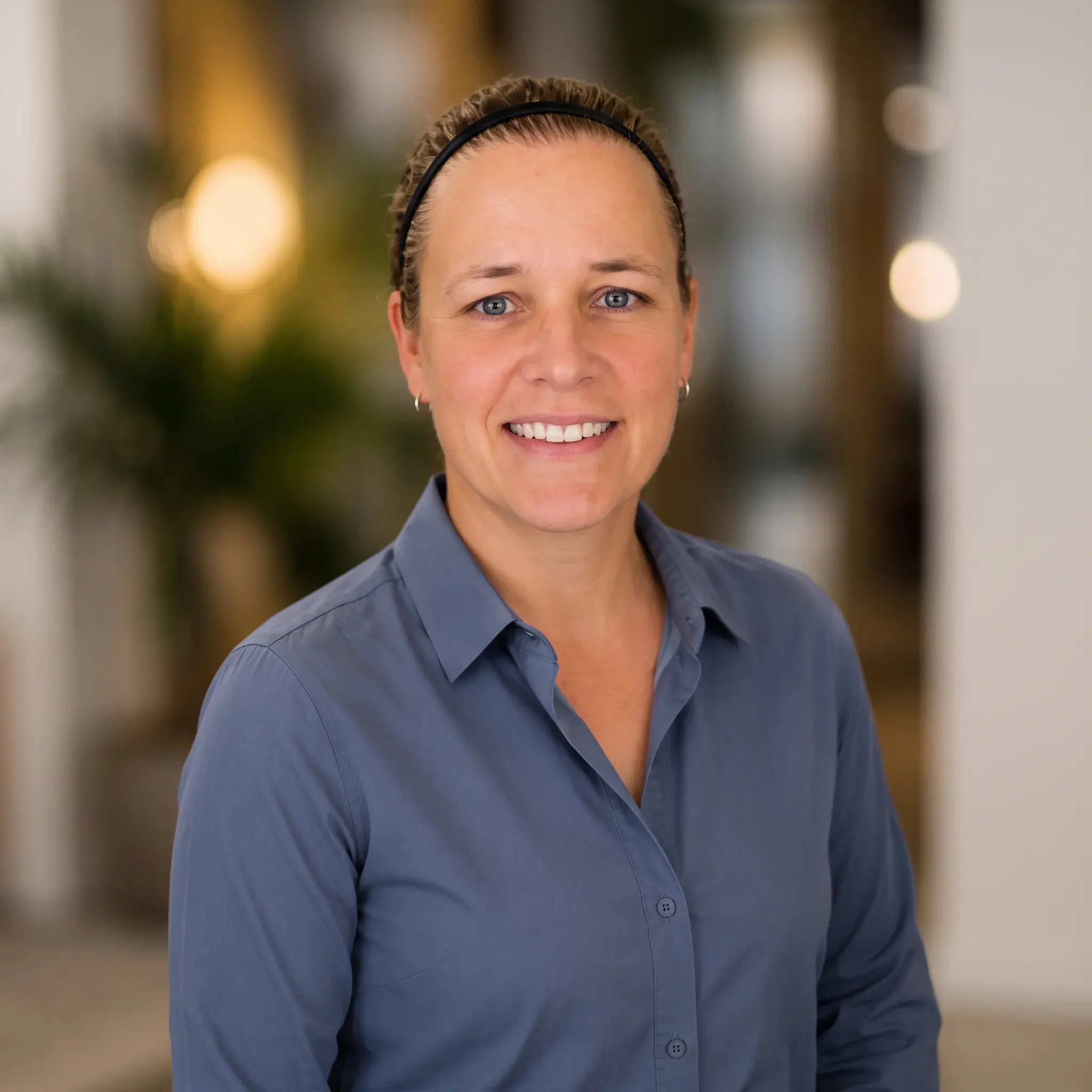
jesse-flores-headshot
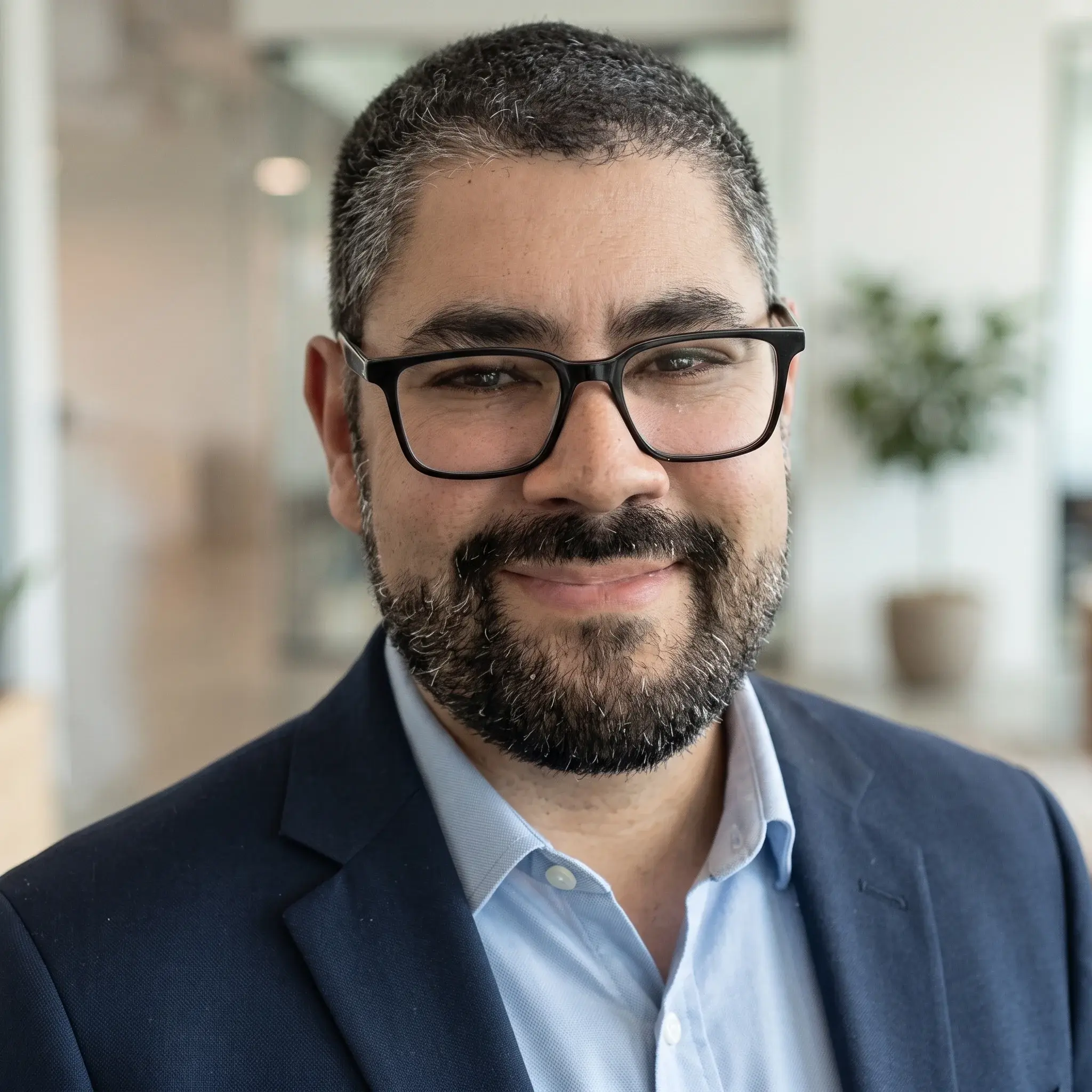
wendy-rochan-headshot

What we hold ourselves to, and where the work stops

We speak from our own experience, honor the range of other experiences, and make claims we can support. We do not assess or diagnose anyone, advise on individual accommodations or employment law, or ask anyone to disclose anything about themselves.

We change the working week, not the person.

The working week means when people work, how work is assigned, what meetings assume, how much notice change gets, and what progression rewards.

Frequently asked questions

No. They speak from their own perspectives and the work they have done. The Divergent Leader does not claim to represent every neurodivergent person or experience.

No. Nothing in the method, a session, or an enquiry requires personal disclosure. The work examines leadership behavior and shared working conditions instead.

No. It is a neuro-inclusive leadership platform, not a clinical or diagnostic service. It does not provide treatment, assessment, or advice about a named person.

It serves individuals who want a way of leading that fits how they think. It also serves organizations ready to examine the conditions, practices, and rewards shaping work.

It grew from leadership practice, repeated patterns in working life, and long-form public conversations. It is presented as a practical method, not clinical research.

Awareness explains neurodiversity. This work focuses on what leaders and organizations can change in meetings, communication, allocation, feedback, and progression.

That depends on the engagement and must be confirmed in the proposal. The public page will state the delivery model once the founders approve how work is divided.

Yes. The podcast and writing are public. You can hear the full conversations, inspect the ideas, and decide whether the approach fits before making an enquiry.

Take the size of step that works for you now

No cost: read the framework

The whole five-lens framework is on the site. No email address, no account, no sign-up.

Read the full framework

Take a tool into next week

The Reset Matrix Blueprint helps you work out what drains you and what to protect when the week gets loud.

Get the Reset Matrix Blueprint

Conversation: discuss fit

Tell us about your organization and what you want to change. A reply comes within two working days.

Start a speaking enquiry